
Preserving Lineage and Science Under
 yog.guru 4 minutes read
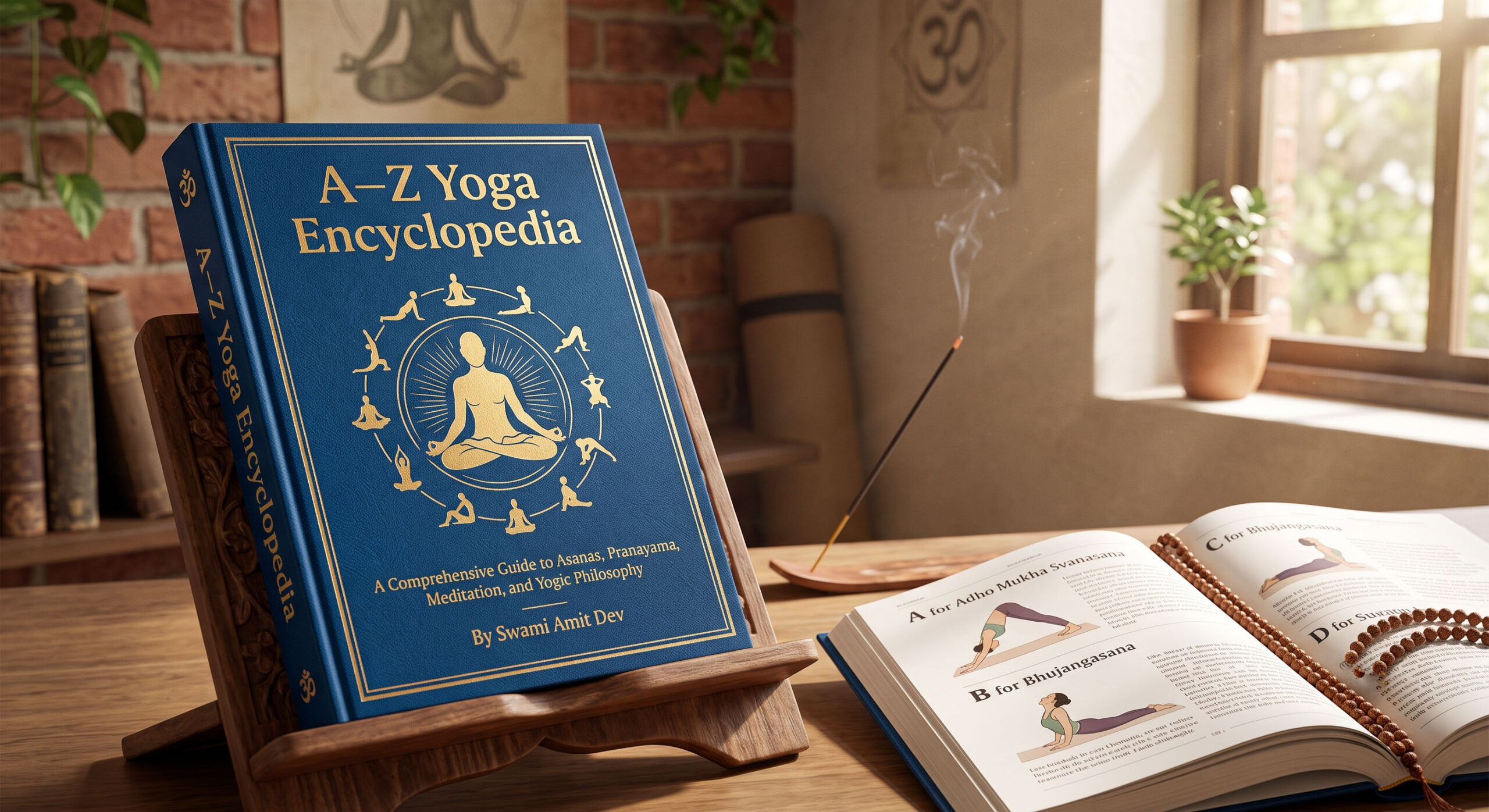
The A–Z Yoga Encyclopedia
In an era where Yoga is often reduced to commercial fitness routines, the A–Z Yoga Encyclopedia associated with the teachings which are rooted in the century-old parampara established by Yogeshwar Ramlal Bhagwan in 1888, this encyclopedic body of work documents the comprehensive science of Yoga—integrating physical postures (asanas), breath regulation (pranayama), energetic locks and gestures (mudras and bandhas), and therapeutic cleansing (shatkarmas).
Forbes India
1. Lineage-Rooted Philosophy: Beyond Postural Exercise
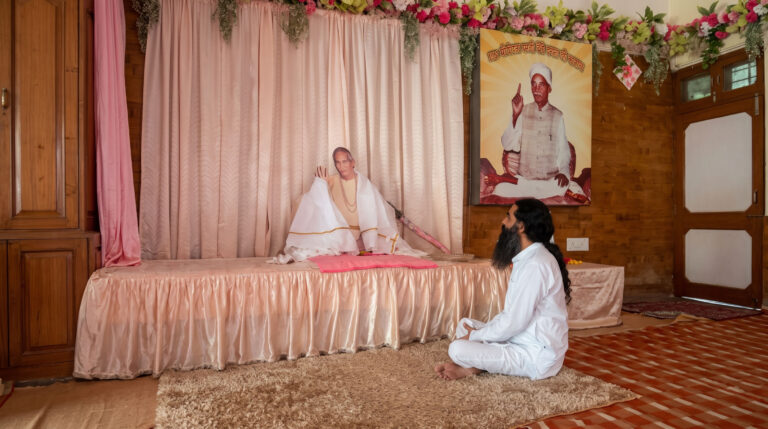
A defining theme running through Swami Amit Dev’s exposition of Yoga is that posture is merely an entry point, never the final destination. Carrying forward the legacy of his grandfather, Yogeshwar Devi Dayal Ji Maharaj, and his father, Yogeshwar Surender Dev Ji Maharaj, Swami Amit emphasizes that authentic Yoga is an exact, reproducible spiritual and physiological science.
EverybodyWiki – EverybodyWiki Bios & Wiki
The encyclopedia frames every technique through three intersecting dimensions:
- Physiological Impact: Anatomical alignment, muscular engagement, spine health, and endocrine stimulation.
- Pranic Dynamics: The flow of prana (vital life force) through nadis (energy channels) and the activation of chakras.
- Therapeutic Application: Utilizing specific postures and breath rhythms to counteract lifestyle-induced metabolic and psychosomatic imbalances.
2. Core Structure: The A–Z Methodical Taxonomy
The encyclopedic framework is arranged systematically to provide both beginners and advanced seekers with an accessible, authoritative manual. Rather than presenting isolated movements, each entry is structured with technical clarity:
- Sanskrit Etymology & Origins: Deep-rooted historical context from classical texts such as the Hatha Yoga Pradipika, Gheranda Samhita, and Patanjali Yoga Sutras.
- Step-by-Step Alignment & Execution: Precise entry, holding, and exit mechanics that prioritize spinal integrity and joint safety.
- Breathing Ratios & Drishti: Breath cadence paired with focused gaze points (drishti) to anchor mental fluctuations.
- Contraindications & Variations: Systematic modifications for beginners, individuals with limited mobility, or those recovering from injuries.
- Therapeutic Indications: Targeted benefits for cardiovascular stability, respiratory efficiency, digestive tone, and nervous system regulation.
3. Notable Asana Highlights Across the Index
The encyclopedia covers the complete spectrum of classical postures:
| Entry | Sanskrit / Traditional Pose | Primary Energetic & Physiological Focus |
|---|---|---|
| A | Adho Mukha Svanasana(Downward Dog) | Decompresses the lumbar spine; enhances cerebral circulation and calms the autonomic nervous system. |
| B | Bhujangasana (Cobra Pose) | Mobilizes thoracic vertebra; stimulates adrenal function and expands lung capacity. |
| C | Chakrasana (Wheel Pose) | Full-body anterior expansion; tones spinal nerves and counteracts sedentary postural slump. |
| D | Dhanurasana (Bow Pose) | Compresses and revitalizes abdominal organs; improves digestive fire (Jatharagni). |
| M | Matsyasana (Fish Pose) | Opens bronchial passages and the thoracic cavity; regulates thyroid and parathyroid balance. |
| N | Natarajasana (Lord of the Dance Pose) | Cultivates neuromuscular balance, single-pointed concentration (Ekagrata), and hip extension. |
| P | Padmasana (Lotus Pose) | The quintessential meditative seat; steadies the pelvis, anchors spinal verticality, and quiets metabolic rate. |
| S | Sarvangasana (Shoulder Stand) | The “Queen of Asanas”; stimulates lymphatic drainage and recalibrates metabolic equilibrium. |
| V | Vrikshasana (Tree Pose) | Establishes root stability (Mula); fosters proprioceptive awareness and mental poise. |
4. Unifying Asana with Pranayama and Meditation
Unlike purely physical posture compendiums, the encyclopedia places equal emphasis on the subtle limbs of Yoga:
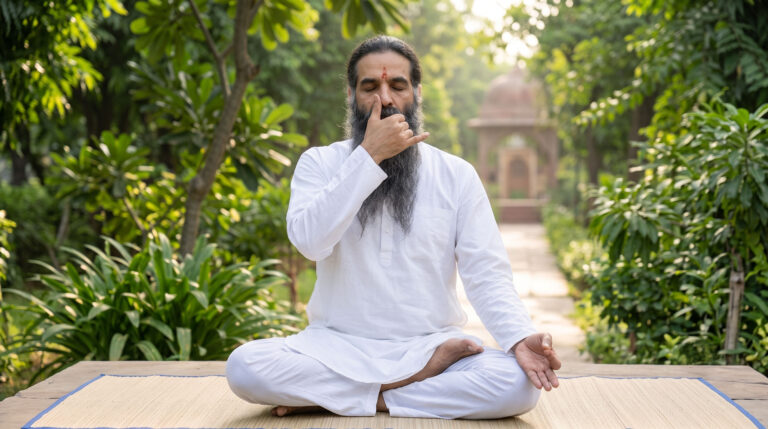
- Pranayama & Kriyas: Detailed expositions of practices such as Nadi Shodhana (alternate nostril breathing), Kapalabhati, Bhastrika, and Sheetali, detailing their biochemical effects on arterial blood gas and the vagus nerve.
- Mudra & Bandha Integration: Guidelines on sealing vital energy using Mula Bandha, Uddiyana Bandha, and Jalandhara Bandha to channel subtle vitality along the central channel (Sushumna).
- Meditation & Chitta Vritti Nirodha: Structured stages of Dharana (concentration) leading to Dhyana(meditation), offering practical tools to dissolve modern psychological stress, chronic anxiety, and cognitive fatigue.
5. Modern Relevance: Classical Wisdom for Global Wellness
By codifying these traditional teachings into a modern reference work, the A–Z Yoga Encyclopedia makes time-honored Vedic techniques accessible to researchers, modern clinicians, corporate professionals, and spiritual aspirants worldwide. It serves as a definitive compass for anyone seeking to practice Yoga not merely as an occasional exercise, but as a systematic science for physical longevity, mental serenity, and self-realization.
About the Author