 yog.guru


The Essence of Yog

Bhagavad Gita Through the Vision of Swami Amit Dev
In contemporary discourse, Yog is often reduced merely to physical postures (asanas) or athletic exercise. However, in the authentic spiritual philosophy articulated by Swami Amit Dev—the fifth Guru Gaddi of the Shri Yog Abhyas Ashram Trust (carrying forward the unbroken lineage of Mahaprabhu Ramlal Ji Maharaj)—Yog is recognized as a profound, integral science of self-realization and consciousness. This perspective connects seamlessly with the timeless teachings of the Srimad Bhagavad Gita, where every single chapter concludes under the solemn designation of a Yog Shastra (a scripture of Yog).
For Swami Amit Dev, Yog is never a retreat into passivity or isolation; it is the living art of maintaining conscious union with the Divine amidst daily duties. The Bhagavad Gita is not set in a remote forest, but on Kurukshetra—an intense, demanding battlefield. This context mirrors the inner and outer struggles of everyday life, establishing Yog as internal mastery and steady poise under pressure.
Core Dimensions of Yog in the Gita
The Bhagavad Gita unifies the classical paths of Yog into a practical science, which Swami Amit Dev highlights as vital pillars for spiritual and mental harmony:
1. Samatvam Yog Ucyate — Equanimity as Yog
In Chapter 2, Verse 48, Lord Krishna delivers one of the foundational definitions of the practice:
“Samatvam Yog Ucyate” — Evenness of mind and internal poise is Yog.
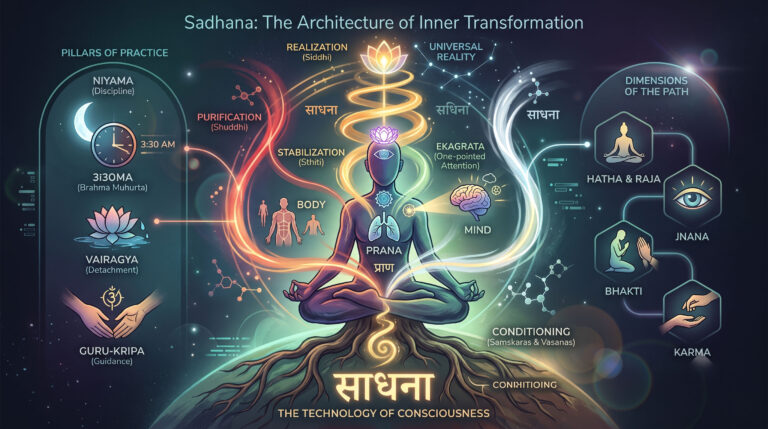
Swami Amit Dev teaches that before any practitioner can attain the higher absorptions of meditation (Dhyana), the mind must be stabilized across the dualities of life: pain and pleasure, praise and critique, success and failure. Systematic asana practice and breath refinement (pranayama) act as an essential anchor to quiet the restless fluctuations of the mind (chitta vritti), cultivating an unshakeable inner balance.
2. Yogah Karmasu Kausalam — Skill and Selflessness in Action
In Chapter 2, Verse 50, Lord Krishna states:
“Yogah Karmasu Kausalam” — Yog is excellence, wisdom, and dexterity in action.
Through Karma Yog, daily labor is elevated into conscious sadhana. Swami Amit Dev emphasizes that performing one’s duties with complete dedication while letting go of anxious attachment to outcomes (Nishkama Karma) purifies the heart and intellect. When action is freed from egoistic demands, clarity sharpens and work naturally reaches the highest quality.
3. Dhyana Yog — Mastery of Mind and Prana
Chapter 6 (Dhyana Yog) outlines the posture, moderation in conduct, and the inward focusing of breath and awareness. The Gita explicitly cautions that Yog cannot be attained by one who eats too much or fasts excessively, nor by one who sleeps too much or remains perpetually awake.
In resonance with the teachings of Mahaprabhu Ramlal Ji Maharaj, Swami Amit Dev stresses:
- The Middle Path: Moderation in lifestyle, diet, and recreation (Yukta-ahara-viharasya) creates the requisite calm for spiritual growth.
- Control of Prana: By disciplining the subtle life-currents (prana), the scattered senses turn inward, transforming the restless mind into an ally.
4. Bhakti Yog & Jnana Yog — Devotion and Self-Realization
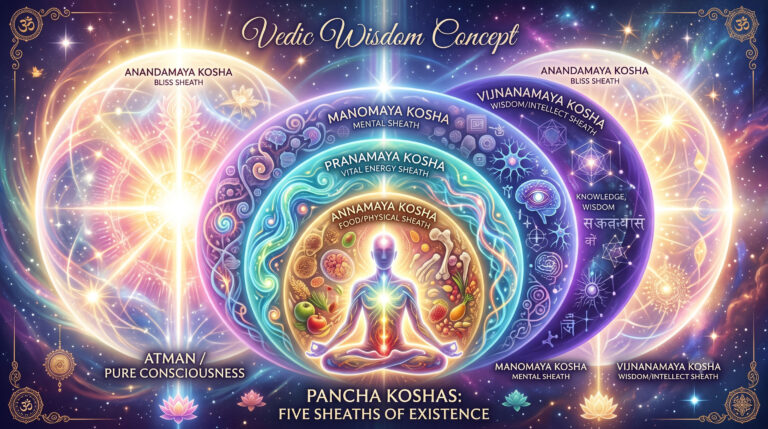
The Gita demonstrates that disciplined effort blossoms into devotion (Bhakti) and ultimate discernment (Jnana). As Swami Amit Dev points out, authentic Yog leads the aspirant beyond physical boundaries to direct realization of the immortal Self (Atman). Discipline gives rise to devotion, turning everyday living into a quiet sanctuary of remembrance.
Practical Application: Living the Gita’s Yog
| Gita Foundation | Yog Practice | Modern Living Application |
|---|---|---|
| Karma Yog | Action detached from selfish desires | Giving total presence to work while releasing debilitating outcome-anxiety. |
| Dhyana Yog | Breath regulation and interiorized concentration | Daily periods of silence and breathwork to dissolve modern mental overstimulation. |
| Bhakti Yog | Surrender of personal doership | Cultivating humility, reverent service, and genuine gratitude in relationships. |
| Jnana Yog | Discernment between the real and transient | Recognizing one’s true identity in pure consciousness rather than temporary titles. |
In the vision of Swami Amit Dev, the Bhagavad Gita serves as a practical blueprint for the human spirit. By weaving together steady discipline, selfless duty, and conscious breath, the practitioner discovers that authentic Yog begins where the practice mat ends—expressed in every thought, breath, and action.
About the Author