 yog.guru


Integrating Yog into Modern Lifestyle
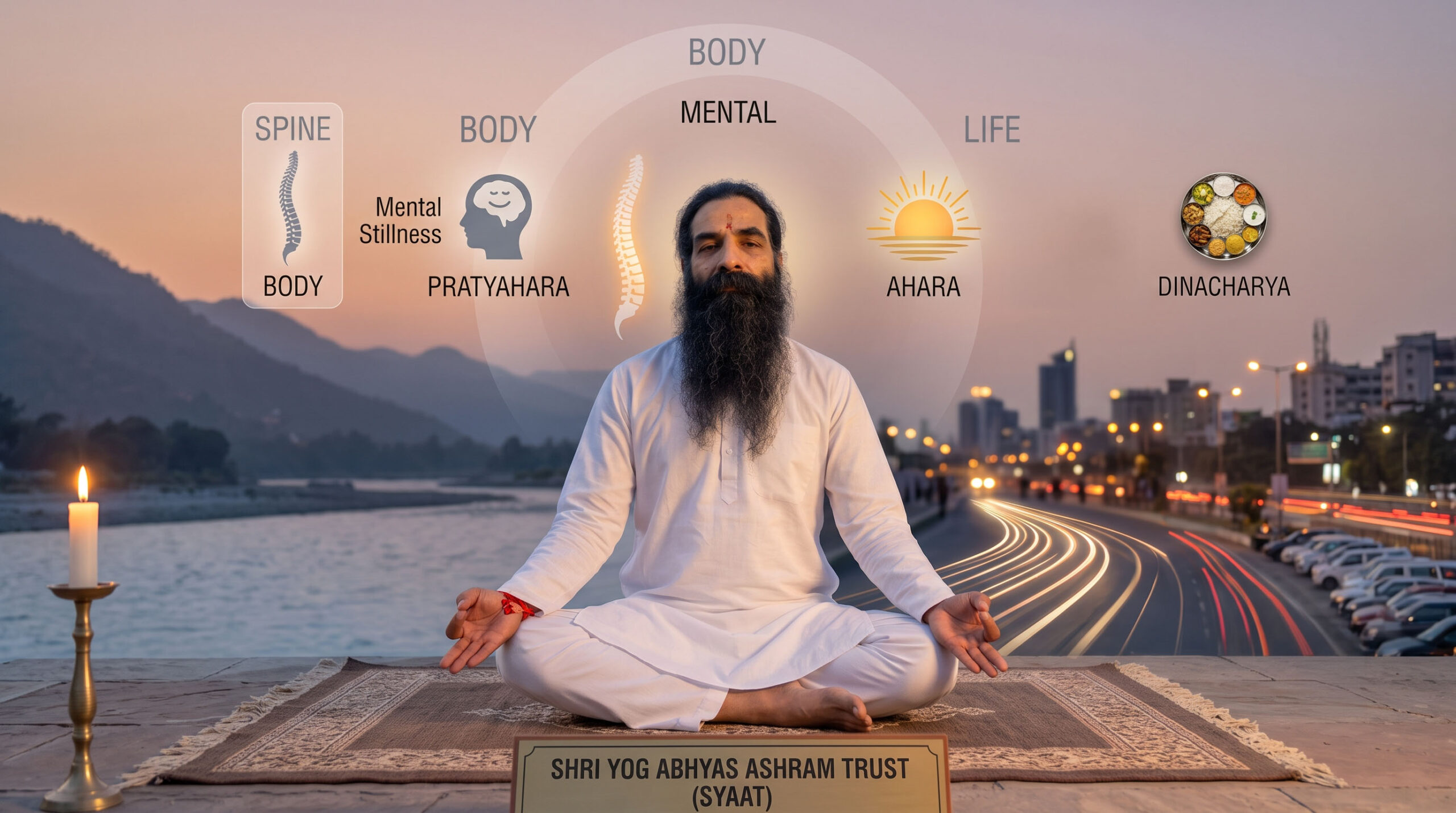
A Path to Holistic Balance
In the contemporary world, the pace of life has accelerated dramatically. While technological advancements have bridged physical distances and created unprecedented conveniences, they have concurrently introduced modern afflictions: chronic stress, fragmented attention, mental fatigue, and lifestyle-related metabolic disorders.
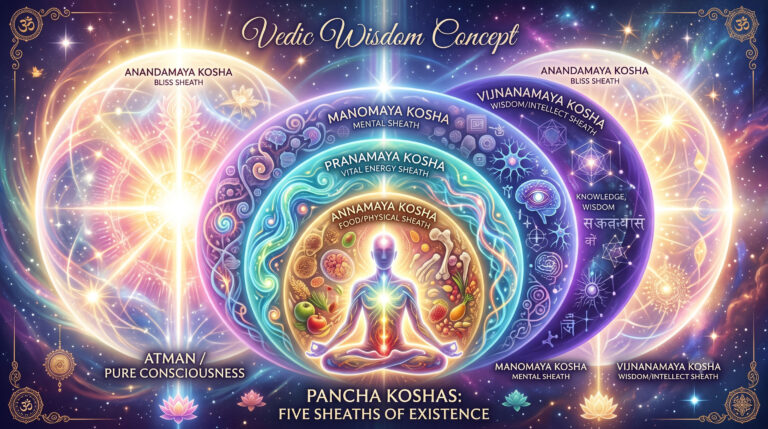
The ancient science of Yog offers not merely a system of physical exercise, but a profound, comprehensive technology for living. Rooted in the traditional lineage of Mahaprabhu Ramlal Ji Maharaj, Yog is a living discipline—an experiential science aimed at harmonizing the physical body, the vital energy (Prana), and the subtle mind.
1. Moving Beyond the Mat: Yog as a Way of Life
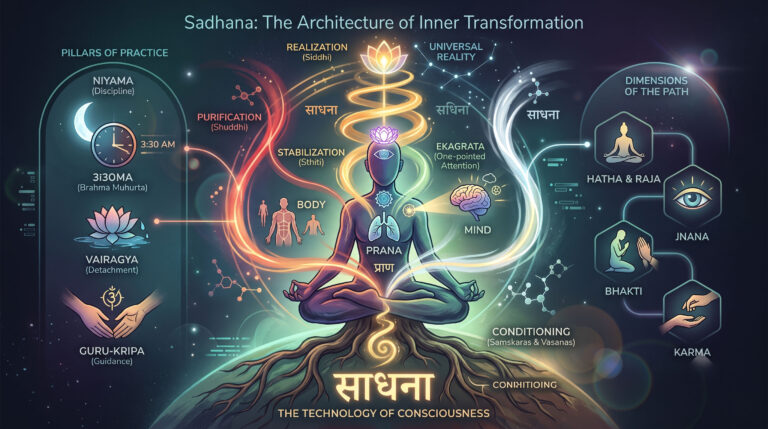
In popular perception, Yog is frequently reduced to Asana (physical postures). While physical postures are essential for strengthening the musculoskeletal system and cultivating physical resilience, classical Yog encompasses an eightfold path (Ashtanga Yog).
Yog begins before one steps onto the mat and continues long after one leaves it:
- Yama & Niyama: The foundational ethical precepts and self-disciplines that govern how we interact with the world and manage our internal state. Truthfulness (Satya), non-violence (Ahimsa), contentment (Santosha), and self-study (Swadhyaya) serve as preventive psychological hygiene.
- Asana: Establishing steadiness and ease in the body (Sthira Sukham Asanam), releasing physical blockages, and conditioning the nervous system.
- Pranayama: Regulating the life-force energy through conscious breath control, restoring equilibrium to the autonomic nervous system.
- Dhyana: Deep meditation that purifies cognitive impressions, calms mental fluctuations, and cultivates intuitive clarity.
2. Managing the Modern Stress Epidemic
Modern stress is predominantly psychological, yet its manifestations are physical. Sustained activation of the sympathetic nervous system (“fight-or-flight”) elevates cortisol, impairs digestion, disrupts sleep architecture, and weakens immunity.
Yog acts as an antidote by systematically activating the parasympathetic response:
- Conscious Breathing: Techniques such as Nadi Shodhana (alternate nostril breathing) balance the left and right hemispheres of the brain, settling anxiety and calming the cardiac rhythm.
- Inner Awareness: Regular meditative practice cultivates a state of detached observation (Sakshi Bhava), enabling individuals to respond thoughtfully to life’s pressures rather than reacting impulsively.
3. Ahara, Vihara, and Achara: The Pillars of Daily Routine
True Yogic living rests upon the conscious regulation of food, rest, and action:
- Mitahara (Conscious Nutrition): The food we consume forms not just our bodily tissues, but subtly influences mental clarity. A Satvik, clean, and seasonal vegetarian diet nourishes the vital organs without burdening the digestive fire (Jatharagni). Eating with presence and gratitude transforms food from mere fuel into medicinal nourishment.
- Dinacharya (Circadian Alignment): Aligning our sleep and wake cycles with nature’s natural rhythm stabilizes hormonal health. Awakening in the calm morning hours (Brahma Muhurta) allows the mind to absorb peace before the noise of the day begins.
- Karma & Seva (Selfless Action): Translating Yogic equanimity into daily duty. When work is performed with complete dedication and without obsessive attachment to external validation, daily activity becomes a form of active meditation.
4. The Path Forward: Practical Steps for Everyday Living
Integrating Yog into a demanding modern schedule does not require renouncing worldly responsibilities; rather, it requires weaving mindfulness into routine actions:
- Dedicate 30 to 45 Minutes Each Morning: Begin with a balanced sequence of joint mobilization (Sukshma Vyayama), grounding asanas, pranayama, and 10 minutes of silent meditation.
- Take Micro-Breaks for Breath: Pause three times during the workday to practice deep abdominal breathing for two minutes, breaking the cycle of physical tension and mental strain.
- Practice Digital Fasting: Disconnect from screens at least an hour before sleep to allow the pineal gland and the nervous system to transition naturally into restorative rest.
Yog is not an escape from modern life—it is the very instrument that enables one to navigate life’s complexities with grace, vigor, and unwavering inner poise. When practiced consistently with sincerity, faith, and patience, it awakens higher vitality, unlocks radiant health, and guides the seeker to lasting peace.
About the Author
