
What Actually is Yog?
 yog.guru 3 minutes read
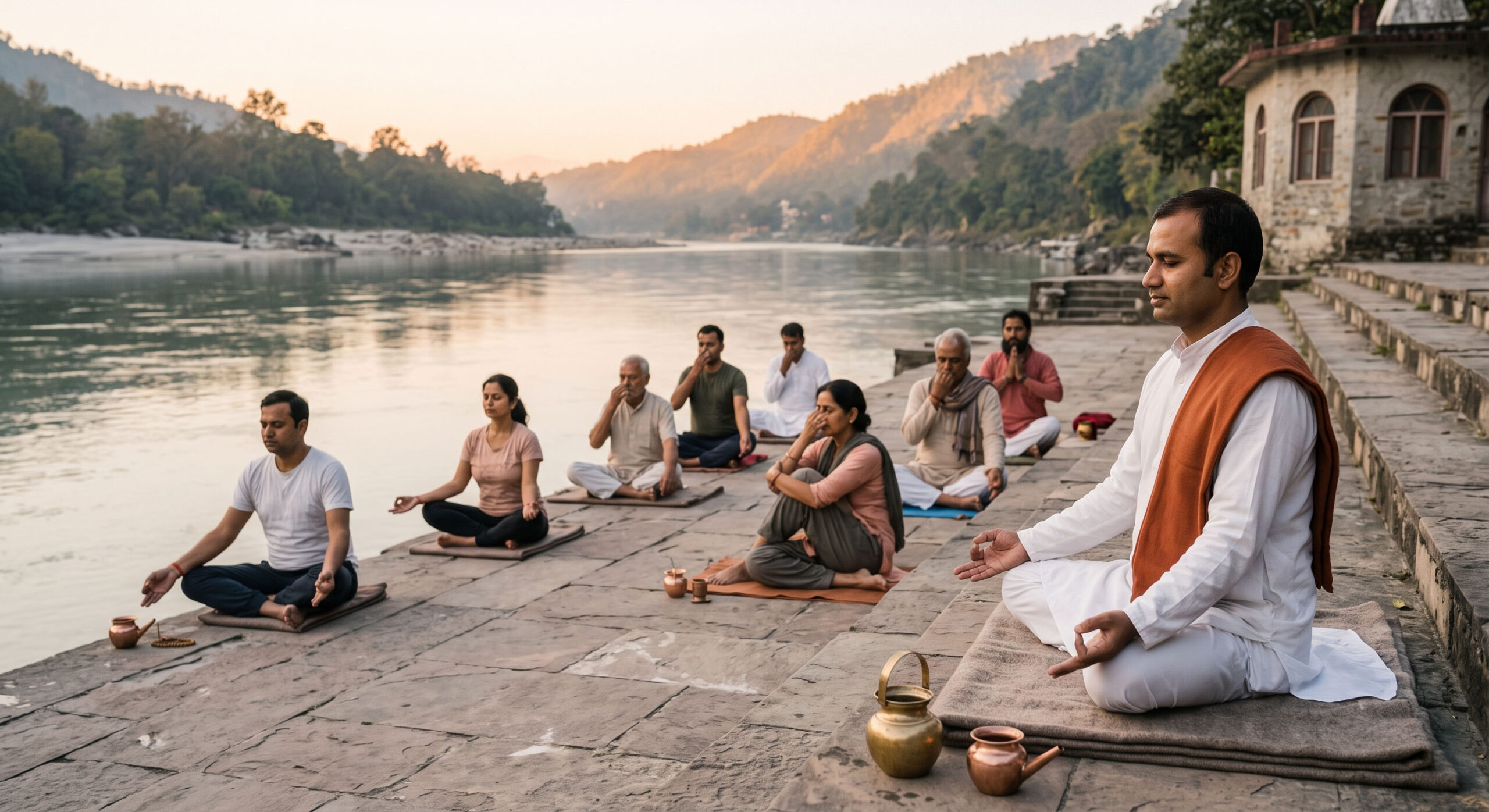
In the modern world, the word Yog (often popularized as “Yoga”) has largely been reduced to physical gymnastics, flexible postures on rubber mats, or an hour of stress relief before returning to a chaotic lifestyle. While the physical benefits of movement are undeniable, confining Yog to asanas misses the very core of this ancient science.
Rooted in the eternal lineage of Vedic wisdom and the lineage of the Shri Yog Abhyas Ashram Trust (SYAAT), founded by Mahaprabhu Ramlal Ji Maharaj in 1888, Yog is fundamentally an exact spiritual science—a disciplined way of living aimed at inner balance, vitality, and ultimate self-realization.
ANI News
1. The True Meaning: Union, Not Calisthenics
The word Yog originates from the Sanskrit root Yuj, meaning “to unite” or “to bind together.” It represents the communion of the individual consciousness with universal consciousness—the integration of body, breath, mind, and soul.
Postures (asanas) are merely the gateway. They prepare the physical vessel to sit steadily and comfortably without restlessness. If the mind remains fragmented, stressed, or filled with friction while the body bends into complex shapes, one has practiced physical exercise, not Yog. Yog begins when physical restlessness subsides and conscious awareness takes over.
2. A Complete Science: The Eightfold Journey
Authentic Yog follows a systematic and progressive inner journey, traditionally laid out in the classical Ashtanga path:
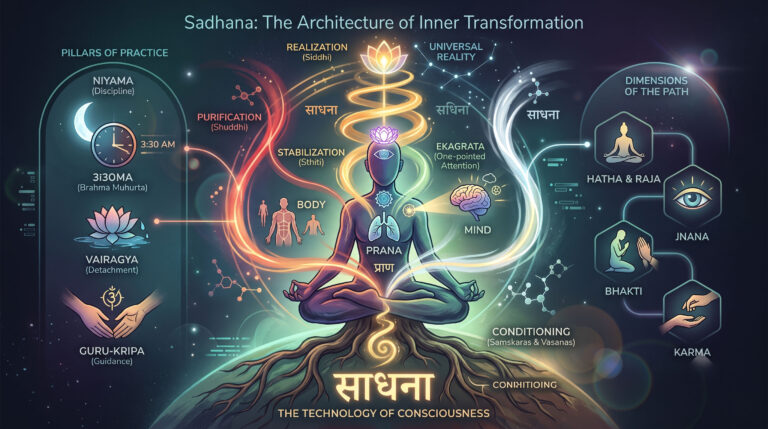
- Yama & Niyama (Ethical Grounding): The foundation of authentic Yog rests on virtues like Ahimsa (non-violence), truthfulness, purity, and contentment. Without moral and emotional grounding, higher practices lack stability.
- Asana (Physical Stability): Bringing discipline and ease to the body to eliminate physical distress.
- Pranayama (Mastery of Life Force): Breath is the bridge between the physical body and subtle mental energies. Controlling the breath stabilizes erratic thought patterns and calms the nervous system.
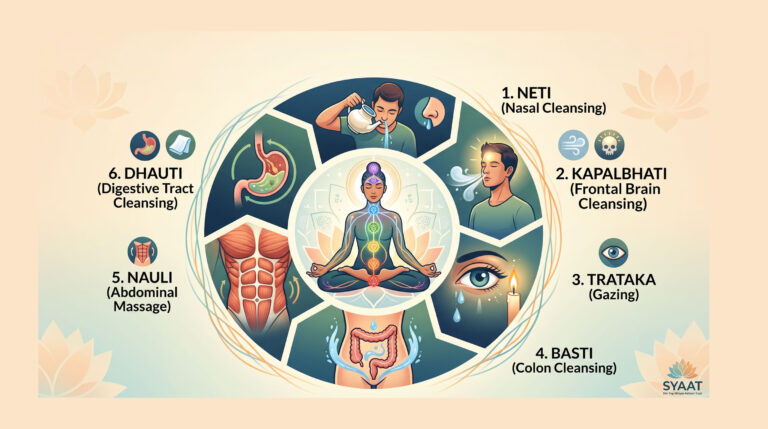
- Kriyas & Mudras (Inner Purification & Channeling): Yogic kriyas (purification practices like Neti) and mudraschannel vital prana, purifying internal systems and healing chronic imbalances at their root.YouTube
- Pratyahara to Samadhi (Inward Absorption): Turning the senses inward, focusing the wandering mind, meditating with steady clarity, and ultimately resting in pure, unconditioned awareness.
3. A Science of Holistic Healing
In ancient tradition, Yog was recognized as a preventative and curative science. Disease often begins not in the body, but in mental agitation (Adhi), which subsequently manifests as physical pathology (Vyadhi).
By harmonizing the subtle nervous system (nadis), optimizing oxygenation, and restoring the natural flow of life force, Yog acts as a precise therapy. It does not merely suppress symptoms; it restores the human organism to its natural state of equilibrium and vitality.
4. Living Yog in Daily Life
Yog is neither an escape from modern responsibility nor an ascetic rejection of the world. It is designed precisely for the modern individual facing chronic mental exhaustion, hyper-stimulation, and relational stress.
To live Yog is to remain centered amidst turmoil, to breathe consciously when anxiety arises, and to act with clarity rather than impulse. It belongs to every human being regardless of geography, culture, age, or background. When Yog leaves the boundaries of the mat and becomes your moment-to-moment state of being, its authentic power unfolds.
Forbes India
To hear Swami Amit Dev speak directly on how ancient yogic traditions transcend modern fitness trends, you can explore the Secrets of Real Yoga with Swami Amitdev.
This podcast discussion breaks down the deeper nuances of authentic Yog, the essential role of breath and ethics, and why it is a complete way of living rather than just physical exercise.
About the Author